Tangy Fried Goat Cheese: The Ultimate Appetizer & Salad Topping Guide
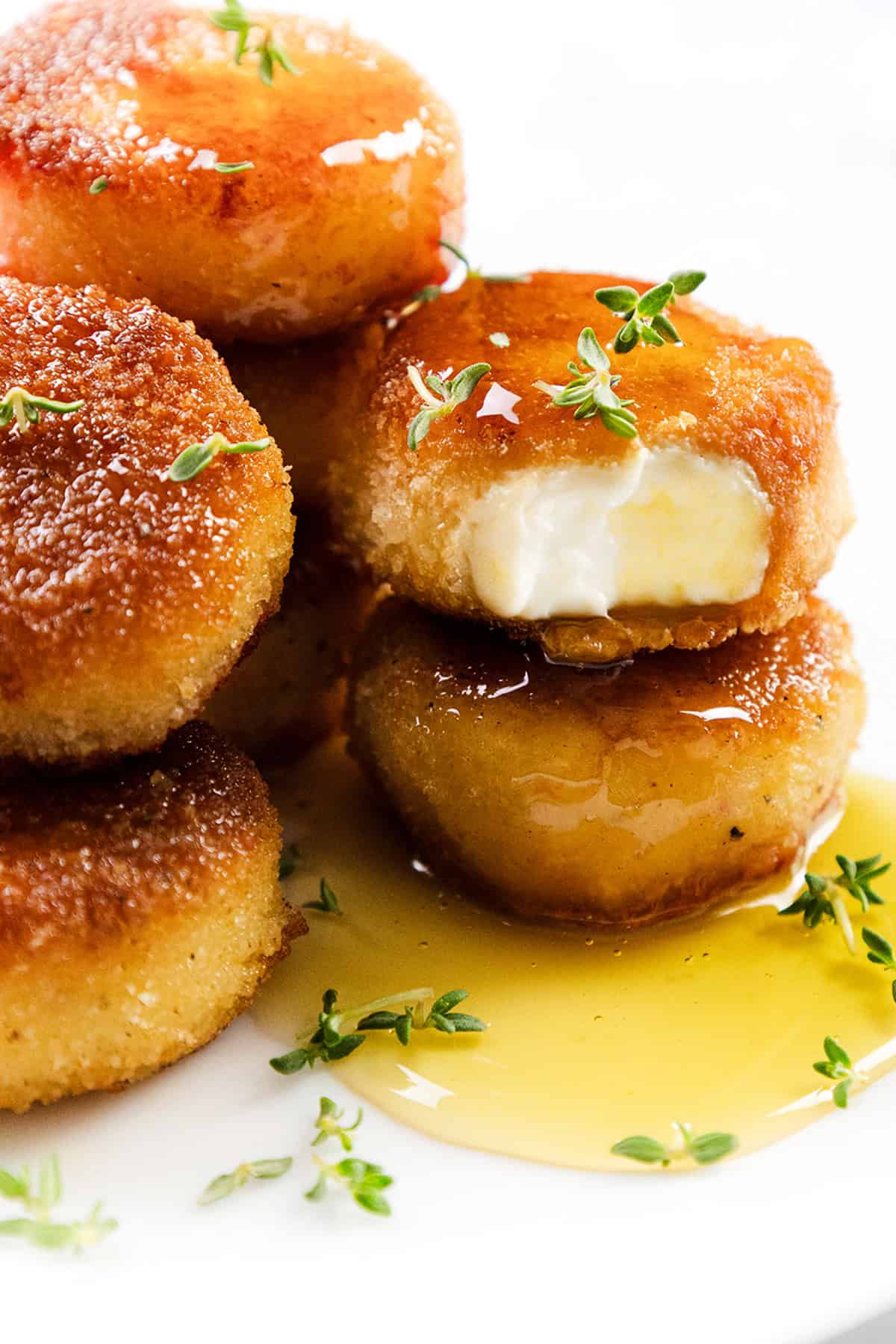
Imagine a golden sphere, impossibly crisp on the outside, yielding to a warm, luxuriously creamy, and distinctly tangy center. This isn't just any cheese; this is perfectly
fried goat cheese, a culinary marvel that elevates any meal, whether gracing a vibrant salad or stealing the show as an unforgettable appetizer. Its unique blend of textures and flavors makes it a showstopper, effortlessly transforming simple ingredients into a gourmet experience. Far from being a complicated chef's secret, achieving this delectable contrast of warm, gooey interior and golden, crunchy exterior is surprisingly accessible with a few key techniques.
For anyone who has ever dreamed of recreating that bistro-style salad or impressing guests with an irresistible hors d'oeuvre, understanding the nuances of frying goat cheese is a game-changer. This guide will walk you through the journey from a simple log of chèvre to a golden-brown delicacy, offering insights, tips, and creative serving suggestions to make your
fried goat cheese truly exceptional.
The Irresistible Allure of Tangy Fried Goat Cheese
At its heart, the magic of
fried goat cheese lies in the stunning juxtaposition of textures and the bright, zesty notes of the cheese itself. Fresh goat cheese, known as chèvre, boasts a naturally bright, tangy flavor profile and a creamy texture that becomes exquisitely soft and almost molten when heated. This inherent creaminess makes it an ideal candidate for frying, as it creates that desired gooey center.
The exterior, however, is where the artistry comes in. A perfectly executed breading, often featuring crunchy panko breadcrumbs, forms a golden, crispy shell that provides the necessary structural integrity and a delightful textural counterpoint to the melting interior. This interplay of soft and crunchy, warm and cool (if served on a salad), and tangy and savory is what makes
fried goat cheese so utterly addictive. It's a taste sensation that genuinely stops conversations mid-bite, leaving a lasting impression on anyone who experiences it.
Beyond its inherent deliciousness,
fried goat cheese is incredibly versatile. It can instantly elevate a mundane green salad to a sophisticated main course or serve as a show-stopping appetizer that requires minimal effort but delivers maximum impact. Whether you're aiming for a casual snack or an elegant starter, this crispy, creamy delight fits the bill.
Mastering the Art of Crispy, Creamy Perfection
Achieving that ideal balance of a warm, creamy interior and a perfectly golden, crispy crust is not as daunting as it may seem, but it does require attention to a few critical steps. Through rounds of testing and culinary experimentation, a foolproof method has emerged, centered around temperature control and a classic breading technique.
1. The Chill Factor: Your Secret Weapon
The single most important step to prevent your goat cheese from turning into "melt city" (a common pitfall) is to chill or, even better, freeze it before frying. Goat cheese, particularly fresh chèvre, is soft and delicate at room temperature. Trying to fry it directly often results in the cheese melting too quickly, causing it to lose its shape before the coating has a chance to crisp up.
*
Preparation: Start with a log of fresh goat cheese. Slice it into rounds (about 1/2 to 3/4 inch thick) or roll it into small balls (around 1 inch in diameter).
*
Freeze for Success: Arrange the goat cheese pieces on a parchment-lined baking sheet and place them in the freezer for at least 20-30 minutes, or even up to an hour. This crucial step gives the cheese enough rigidity to hold its shape during the initial frying process, allowing the breading to develop a beautiful crust.
2. The Classic Breading Trinity
Once your goat cheese is adequately chilled, it's time for the breading. This three-step process creates a durable, crispy coating:
*
Flour: Dredge each piece of goat cheese lightly in all-purpose flour. This helps create a dry surface for the egg to adhere to.
*
Egg Wash: Dip the floured goat cheese into a beaten egg (you can add a splash of milk or water to thin it slightly). The egg acts as the crucial binder for the breadcrumbs.
*
Panko Breadcrumbs: Roll the egg-coated goat cheese generously in panko breadcrumbs. Panko, a Japanese-style breadcrumb, is renowned for its light, airy, and extra-crispy texture, making it superior to standard breadcrumbs for this application. For an even thicker, more robust crust, consider a double-dip: after the first panko coat, dip it back into the egg and then into the panko again.
For even more detailed guidance and expert tips on achieving this culinary feat, explore our guide on
Foolproof Fried Goat Cheese: Get Crispy, Creamy Perfection Every Time.
3. The Perfect Fry: Quick & Golden
Frying
fried goat cheese is a rapid process, typically taking only seconds per piece.
*
Oil Choice: Use a neutral oil with a high smoke point, such as canola, grapeseed, sunflower, or light olive oil. Avoid extra virgin olive oil for frying, as its lower smoke point can lead to burning. You'll only need about 1/2 to 1 inch of oil in a small saucepan or skillet for a shallow fry.
*
Temperature Control: Heat the oil to around 350-375°F (175-190°C). If you don't have a thermometer, test a tiny crumb of panko; it should sizzle immediately and turn golden quickly.
*
Small Batches: Fry only 3-5 pieces at a time to avoid overcrowding the pan, which can drop the oil temperature and lead to soggy, greasy results.
*
Quick Flip: Using tongs or a slotted spoon, carefully place the goat cheese into the hot oil. They cook incredibly fast – about 15-20 seconds per side. Look for a beautiful golden-brown color. You might even hear a faint "pop" as the cheese inside begins to soften and expand – a sign they're perfectly done!
*
Drain Immediately: Once golden, remove the
fried goat cheese and place them on a paper towel-lined cooling rack to absorb any excess oil. Serve them warm for the best experience.
Elevating Every Dish: Serving & Pairing Fried Goat Cheese
The beauty of
fried goat cheese lies in its remarkable versatility. It seamlessly transitions from a sophisticated appetizer to a transformative salad topping, offering endless possibilities for culinary creativity.
1. The Ultimate Salad Topping
Nothing elevates a simple green salad quite like a warm, golden round of
fried goat cheese. It instantly brings a bistro vibe to your table. The warm, gooey cheese melts slightly into the greens, creating a luxurious dressing element when combined with a light vinaigrette.
*
Classic Bistro Salad: Pair with mixed greens, candied pecans, dried cranberries, and a balsamic vinaigrette.
*
Mediterranean Twist: Serve on a bed of arugula with roasted red peppers, olives, and a lemon-herb dressing.
*
Seasonal Delight: In autumn, pair with roasted beets, walnuts, and a cider vinaigrette.
2. An Irresistible Appetizer
As an appetizer,
fried goat cheese balls or rounds are guaranteed to be a crowd-pleaser. Their bite-sized appeal and incredible flavor make them perfect for entertaining.
*
Sweet & Savory: Drizzle warm honey over the top and sprinkle with chopped pistachios for an added crunch and nutty flavor. The combination of sweet, salty, and tangy is utterly addictive.
*
Fruity & Earthy: Serve with a dollop of fig jam or apricot preserves alongside an assortment of crackers or slices of crusty baguette.
*
Elegant Crostini: Place a warm goat cheese round on a toasted crostini, perhaps with a touch of caramelized onion or roasted cherry tomatoes.
To truly impress your guests and elevate your entertaining, read our comprehensive article on
Unlock Perfect Fried Goat Cheese: Crispy, Creamy, & Guest-Worthy Tips.
3. Perfect Pairings: Wine & More
The bright, tangy profile of goat cheese makes it a fantastic partner for certain wines and other beverages.
*
Sancerre (Sauvignon Blanc): This is arguably the most classic and harmonious pairing. Hailing from the Loire Valley in France, Sancerre Sauvignon Blanc shares the same terroir as some of the finest goat cheeses. The wine's crisp acidity, mineral notes, and often subtle herbaceousness beautifully complement and cut through the richness and tang of the goat cheese, creating a truly sublime experience.
*
Other White Wines: Other crisp, unoaked Sauvignon Blancs, or even a dry Rosé, can also be excellent choices.
*
Red Wine Alternatives: If you prefer red, look for lighter-bodied options with good acidity and soft tannins that won't overpower the delicate cheese. Cabernet Franc (especially from the Loire Valley) or a bright Beaujolais are both delicious alternatives.
*
Craft Beer: Consider a crisp Pilsner or a dry Saison, which offer effervescence and complementary flavors.
Creative Twists & Troubleshooting for Your Fried Goat Cheese
While the classic preparation is divine, there's always room to personalize your
fried goat cheese.
Flavor Enhancements:
*
Herbed Breading: Mix finely chopped fresh herbs like thyme, rosemary, or oregano into your panko breadcrumbs for an aromatic kick.
*
Spicy Zing: Add a pinch of cayenne pepper or red pepper flakes to the flour or panko for a subtle warmth.
*
Citrus Zest: Incorporate finely grated lemon or orange zest into the panko for a bright, fragrant note.
*
Nutty Crunch: Beyond pistachios, consider rolling some of the finished goat cheese in finely chopped walnuts or pecans for extra texture and flavor.
Troubleshooting Common Issues:
*
"Melt City" Disaster: If your goat cheese melts and spreads too quickly in the oil, it's almost always due to insufficient chilling/freezing or oil that isn't hot enough. Ensure your cheese is very cold and your oil is at the correct temperature before frying.
*
Coating Falling Off: This can happen if the cheese isn't completely coated in flour, or if the egg wash is too thin. Ensure each step is thorough, and consider double-breading for a more secure crust.
*
Soggy Crust: Overcrowding the pan or frying at too low a temperature will prevent the crust from crisping. Fry in small batches and maintain consistent oil heat.
Conclusion
From the bustling tables of iconic Los Angeles eateries to the quaint goat farms of the Loire Valley,
fried goat cheese has captured hearts and palates worldwide. Its simple yet sophisticated appeal, combining a tantalizing textural contrast with a burst of tangy flavor, makes it an undeniable culinary triumph. Whether you're topping a fresh salad, creating an unforgettable appetizer, or simply indulging in a decadent snack, mastering the art of perfectly crispy, creamy
fried goat cheese opens up a world of gastronomic possibilities. With a little care and attention to the crucial steps of chilling, breading, and quick frying, you'll be creating these golden, irresistible bites that are sure to impress every time. So, gather your ingredients, follow these tips, and prepare to delight your senses with this truly spectacular dish.